

Enterprise Resource Planning (ERP) systems have long been recognized as essential tools for managing and integrating core business processes. They enable organizations to streamline operations, enhance efficiency, and gain valuable insights into their activities. However, traditional ERP solutions often come with substantial costs, making them inaccessible for many small and medium-sized enterprises (SMEs). Fortunately, advancements in technology have led to the emergence of cutting-edge ERP solutions that offer similar functionalities at a fraction of the price.
One of the key factors driving down the cost of modern ERP systems is cloud computing. Cloud-based ERP solutions eliminate the need for organizations to invest in expensive on-premises infrastructure and hardware. Instead, the software is hosted and maintained by the ERP vendor, allowing businesses to access it through the internet on a subscription basis. This shift to the cloud significantly reduces upfront costs and lowers the total cost of ownership, making ERP more affordable for SMEs.
Moreover, cloud-based ERP systems offer scalability and flexibility. Organizations can easily adjust their subscription plans to match their requirements as they grow or change. This eliminates the need for large upfront investments in infrastructure and software licenses that might go unused or become outdated. With a pay-as-you-go model, businesses can start small and expand their usage as needed, aligning costs with their actual usage.
Another contributing factor to the affordability of modern ERP solutions is the rise of open-source software. Open-source ERP platforms provide organizations with the freedom to customize and tailor the software to their specific needs, without being locked into proprietary systems. This allows SMEs to leverage the functionality of ERP while avoiding the high costs associated with proprietary licenses. Open-source ERP solutions are typically community-driven, benefiting from ongoing development and support from a global network of contributors.
Additionally, advancements in technology have made it easier to integrate ERP systems with existing software and applications. Application Programming Interfaces (APIs) and standardized data formats enable seamless data exchange between different systems, eliminating the need for complex and costly custom integrations. This interoperability not only reduces the overall implementation costs but also improves the efficiency and accuracy of data transfer, enabling organizations to have a unified view of their operations.
Furthermore, the modular approach to ERP implementation has become more prevalent. Rather than implementing an entire ERP suite at once, organizations can choose to adopt specific modules that address their immediate needs. This phased implementation approach allows businesses to focus on critical areas while keeping costs manageable. Over time, additional modules can be added as required, providing a gradual and cost-effective path to full ERP implementation.
It is worth noting that while cutting-edge ERP solutions offer significant cost advantages, careful consideration should still be given to factors such as vendor reputation, system scalability, security, and ongoing support. Evaluating the specific needs of the organization, conducting thorough research, and engaging with ERP vendors and implementation partners are essential steps to ensure a successful and cost-effective ERP implementation.
Schinkels has the product and the service team to provide such a demand. We are very much focus in deploying ERP solution with a much lower cost than the big boys. We always believed in starting small and grow big. A successful ERP deployment must bear fruits from the beginning – an early beginning. Modules must be deployed in stages.
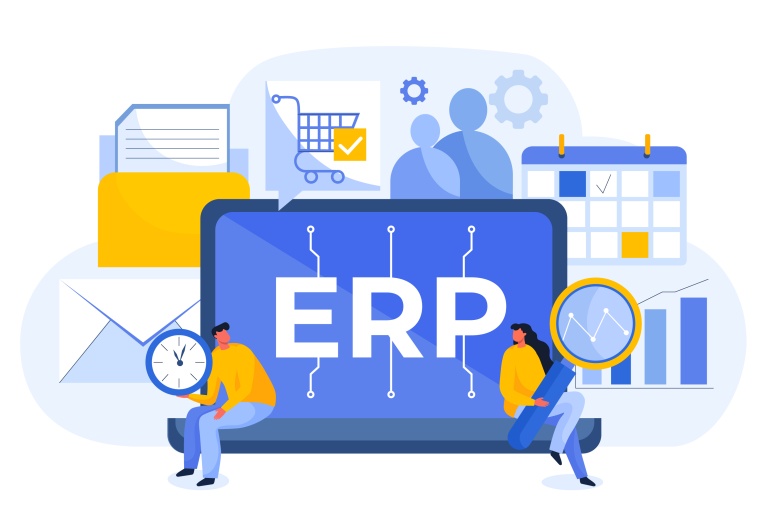
In conclusion, the emergence of cutting-edge ERP solutions has made this essential technology more accessible to SMEs by reducing costs through cloud computing, open-source software, modular implementations, and improved integration capabilities. These advancements enable organizations to leverage the benefits of ERP systems without the prohibitive upfront expenses associated with traditional solutions. As a result, even smaller businesses can now take advantage of ERP to enhance their operational efficiency, optimize resources, and drive growth in a cost-effective manner.