
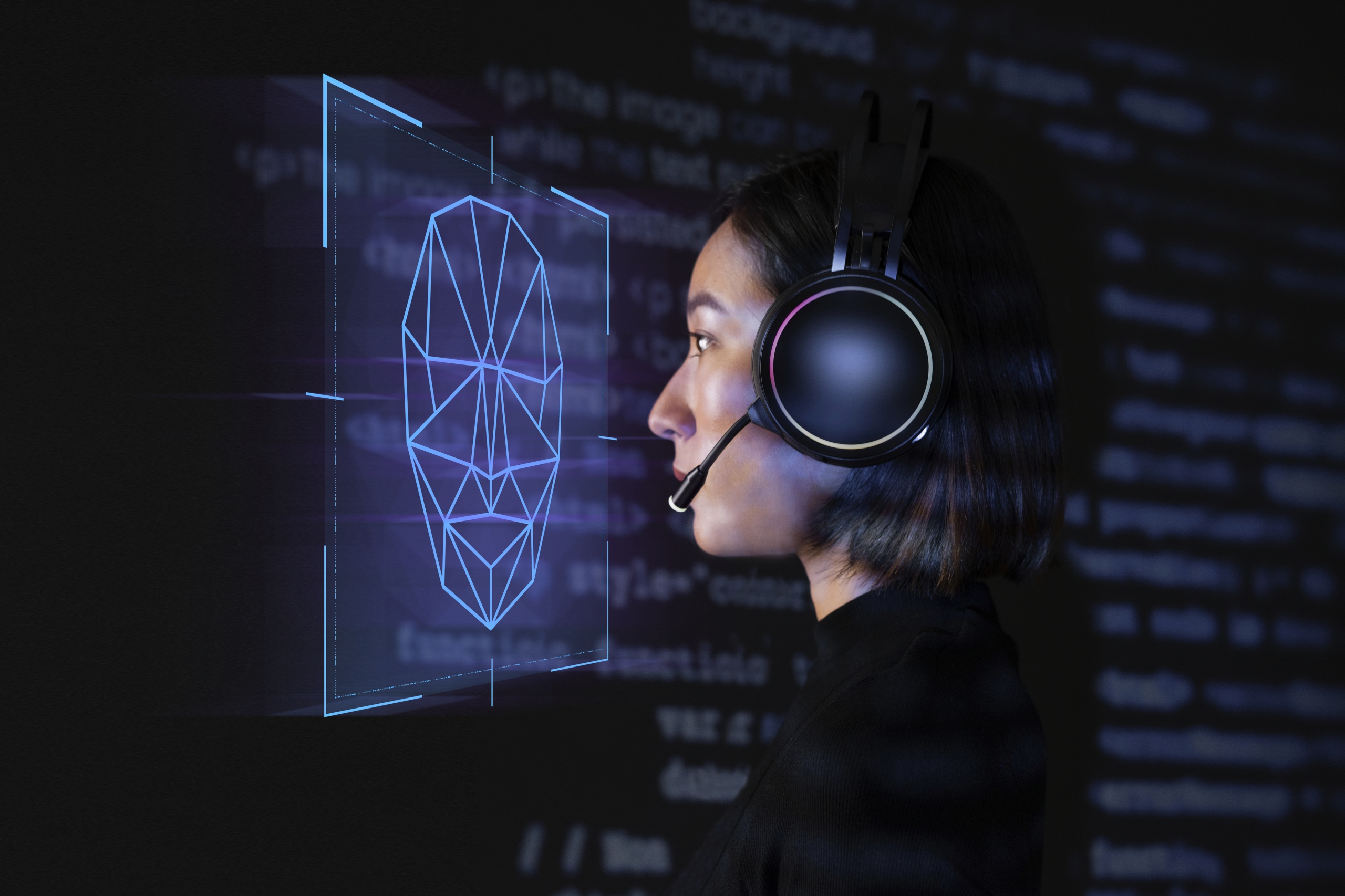
Protecting facilities with facial recognition technology can enhance security and access control measures. We at Schinkels follows the following guide on implementing facial recognition for facility protection:
- Assess the need: Evaluate the security requirements of your facility and determine if facial recognition is an appropriate solution. Consider factors such as the size of the facility, the number of people accessing it, and the sensitivity of the information or assets being protected.
- Understand legal and ethical considerations: Familiarize yourself with the legal and ethical aspects of using facial recognition technology in your jurisdiction. Ensure compliance with privacy laws, data protection regulations, and any specific requirements related to biometric data collection.
- Choose a reliable facial recognition system: Research and select a reputable facial recognition system that meets your specific needs. Look for features such as accuracy, speed, scalability, and the ability to integrate with existing security infrastructure. Consider factors like facial detection, recognition accuracy, and anti-spoofing measures.
- Data collection and management: Determine how you will collect and manage the facial data used for recognition. This includes capturing high-quality images or video footage of individuals and securely storing and encrypting the collected data. Implement data retention policies to ensure compliance with privacy regulations.
- Establish enrollment process: Develop a process to enroll individuals into the facial recognition system. This typically involves capturing facial images and associating them with relevant user profiles or access credentials. Ensure proper consent and transparency in data collection practices.
- Integration with access control systems: Integrate the facial recognition system with your access control infrastructure. This allows the system to authenticate individuals by matching their faces against enrolled profiles and granting or denying access accordingly. Coordinate with relevant stakeholders, such as IT and security teams, to ensure smooth integration.
- Test and calibrate the system: Conduct thorough testing and calibration of the facial recognition system. Assess its accuracy, speed, and performance in real-world scenarios. Adjust the system settings, thresholds, and parameters to optimize its performance and reduce false positives or false negatives.
- Train security personnel: Train security personnel responsible for monitoring and managing the facial recognition system. Educate them on how the system works, its limitations, and appropriate actions to take in response to alerts or system failures. Regularly update their training to keep them informed about new features or enhancements.
- Communicate and educate users: Inform facility users about the implementation of facial recognition technology and its purpose. Communicate the security benefits, address privacy concerns, and provide channels for individuals to seek clarification or exercise their rights. Transparent communication builds trust and reduces resistance.
- Regular maintenance and updates: Maintain the facial recognition system by performing regular updates, patches, and maintenance. Stay informed about advancements in the technology and periodically evaluate the system’s performance. Address any issues promptly and keep up with evolving security and privacy standards.
- Continuously monitor and evaluate: Regularly monitor the effectiveness of the facial recognition system and assess its impact on security measures. Collect feedback from security personnel and facility users to identify areas for improvement. Evaluate the system’s accuracy, usability, and adherence to privacy guidelines.
Facial recognition can significantly enhance facility security, but it’s crucial to strike a balance between security needs and privacy considerations. Implementing robust data protection measures, ensuring transparency, and adhering to legal and ethical standards are essential for a successful and responsible deployment of facial recognition technology.
Core Features
Video surveillance. Video recorder
Database search for faces,bodies, cars
AI recognition of clothing type and color.
Possibility of counting faces, bodies and cars on connected cameras and measuring distance between bodies. Single-and-multi-camera counting support.
Automatic clustering of objects of the same origi(face/body images belonging to the same person, images of the same car), enriched with the end-to-end integration with the card index.
Schinkels face recognition technology (FR) has been a standard to follow. Our principal has competed in various FR technology competition and has positioned as the leading contender for accuracy and efficiency.
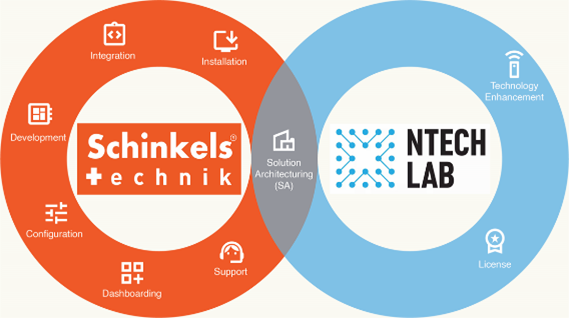
Our Principal - NtechLab is a developer of AI-based software for analyzing video data and images. With their core product FindFace Multi customers detect and recognize human faces and silhouettes, as well as cars, in video live streams, archives or photo images. Schinkels integrate the core product with applications layer for monitoring and event resolution. Schinkels can support a turnkey solution that you can harness in such areas as retail, banking, social networking, entertainment, sports, event management, dating services, video surveillance, public safety, homeland security, and others.