by Nazihah
Protecting Lives and Property
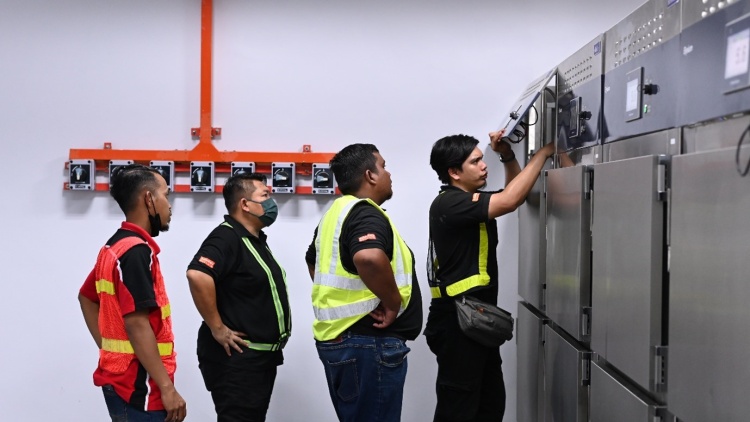
Working with electrical equipment is an integral part of modern life, whether it’s in homes, offices, or industries. However, electricity can be hazardous if not handled with care. To ensure the safety of individuals and protect property from potential accidents, it is essential to follow strict safety precautions when dealing with electrical appliances and devices. In this article, we will highlight three main safety precautions that can help safeguard lives and property during electrical work.
Disconnect Power: The First Line of Defence
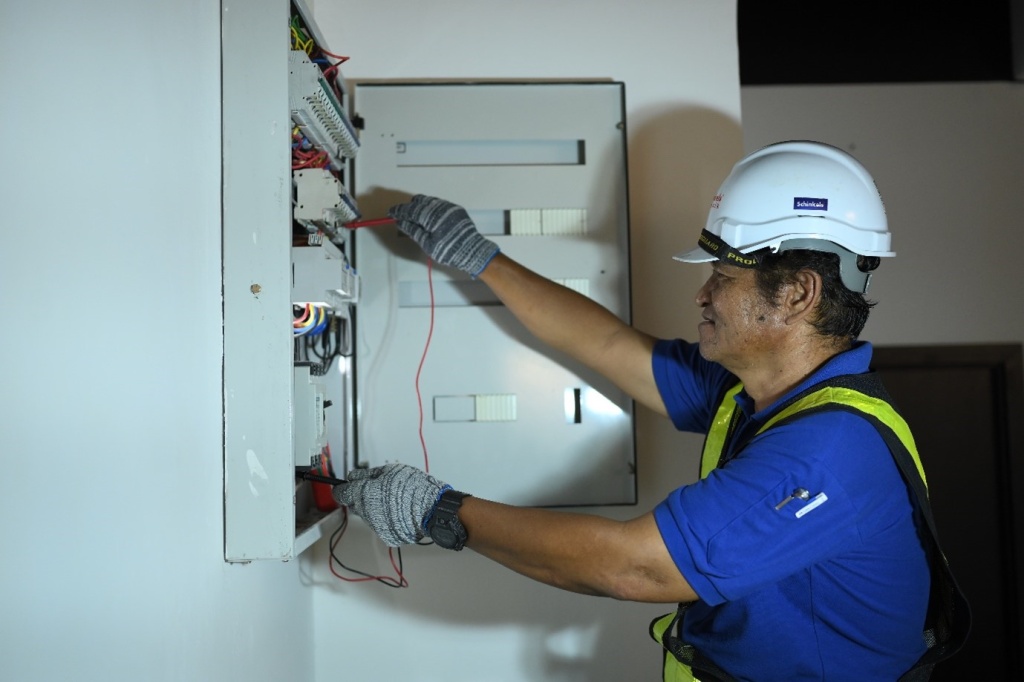
Before starting any maintenance, repair, or cleaning on electrical equipment, the foremost precaution is to disconnect the power supply. Unplugging the equipment or switching off the circuit breaker should be the automatic response before getting hands-on with electrical components. This simple yet critical step significantly reduces the risk of accidental electric shocks and keeps individuals safe during their work. Whether it’s replacing a light bulb, repairing a faulty switch, or troubleshooting an electrical circuit, the habit of disconnecting power should be ingrained in everyone dealing with electrical equipment. Complacency in this regard can lead to disastrous consequences.
Use Personal Protective Equipment (PPE): A Shield of Safety
Electricity is invisible, but its impact is not. To protect against electrical shocks and potential hazards, using appropriate Personal Protective Equipment (PPE) is vital. Insulated gloves, safety goggles, and non-conductive footwear act as a shield of safety, providing a barrier between electrical components and the person working on them. Electrical accidents can occur in the blink of an eye, and PPE serves as the first line of defence against such incidents. Professionals and DIY enthusiasts alike should prioritize wearing the right PPE to ensure their well-being while working with electrical equipment.
Inspect Before Use: A Preventative Approach
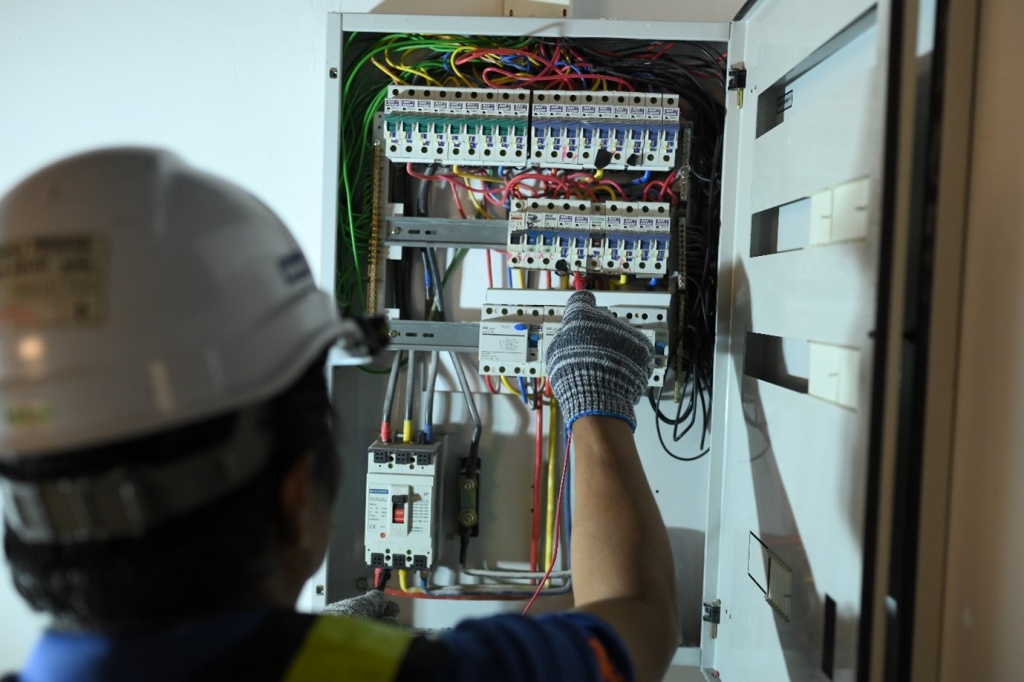
A proactive approach to safety involves conducting thorough inspections before using any electrical equipment. This inspection should encompass power cords, plugs, switches, and the overall condition of the equipment. Identifying wear, damage, loose connections, or signs of malfunction is critical to pre-empt potential risks. By identifying and addressing issues before they escalate, individuals can prevent equipment failures, electrical fires, and dangerous accidents. Regular inspections can be incorporated into a maintenance routine to ensure electrical equipment remains in optimal working condition.
In conclusion, prioritizing safety when handling electrical equipment is paramount. By following key precautions like disconnecting power, using appropriate PPE, and conducting thorough inspections, we can protect lives and property from potential electrical hazards. Safety must always be the top priority in any electrical task, ensuring a safer environment for all involved.