
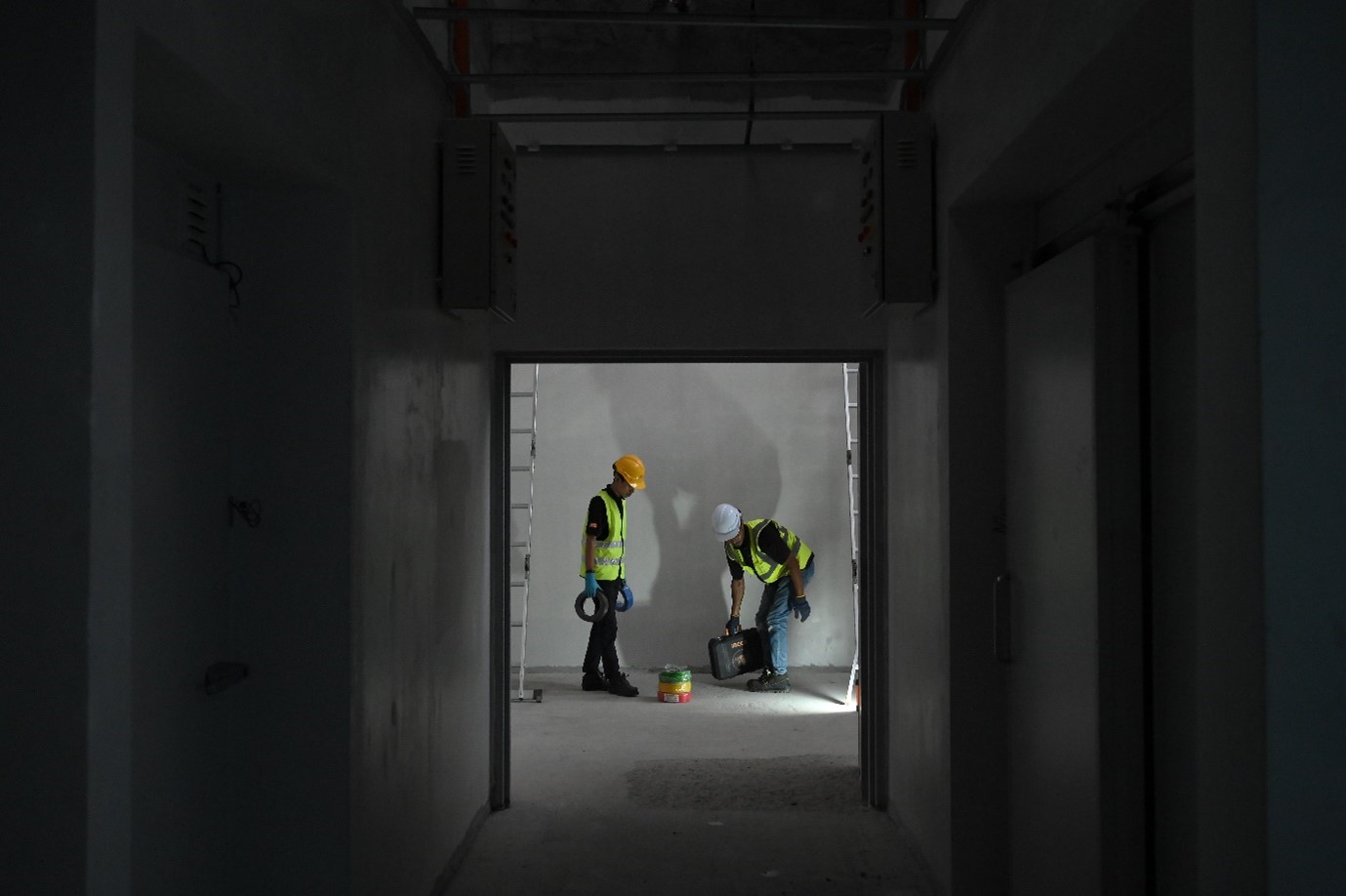
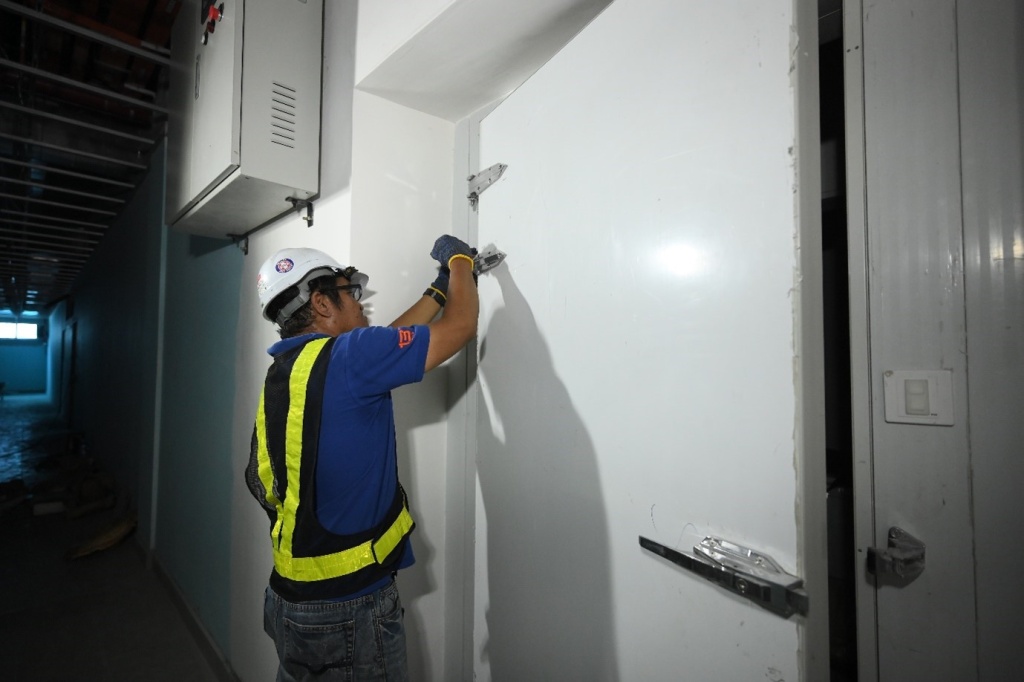
Cold rooms, often hidden behind the scenes, are essential for the preservation and safety of various products across industries. These temperature-controlled chambers rely on advanced technology to maintain specific conditions, and their importance cannot be overstated. Let’s explore three key aspects of cold rooms:
- Technological Backbone
Cold rooms are a triumph of refrigeration technology. They operate by circulating refrigerant gases through coils within the room. This refrigerant undergoes a cycle of compression and evaporation, drawing heat from the room’s interior and maintaining the desired low temperature. Precise temperature control ensures the integrity of stored goods, be it food, pharmaceuticals, or industrial materials. - Preserving Product Quality
The primary function of cold rooms is to preserve the quality and safety of various products. In the food industry, cold rooms extend the shelf life of perishable items, reducing waste and ensuring food safety. In pharmaceuticals, these chambers are crucial for storing medications and vaccines at precise temperatures, safeguarding their effectiveness. The ability to maintain specific temperature and humidity levels makes cold rooms indispensable for industries where product quality is paramount. - Versatile Applications
Cold rooms find applications across a spectrum of industries. From restaurants and supermarkets storing fresh produce to pharmaceutical companies preserving life-saving medicines, these chambers serve diverse needs. They also play a vital role in industrial settings, where materials like chemicals, electronics, and machinery require controlled temperature environments to maintain integrity and functionality.
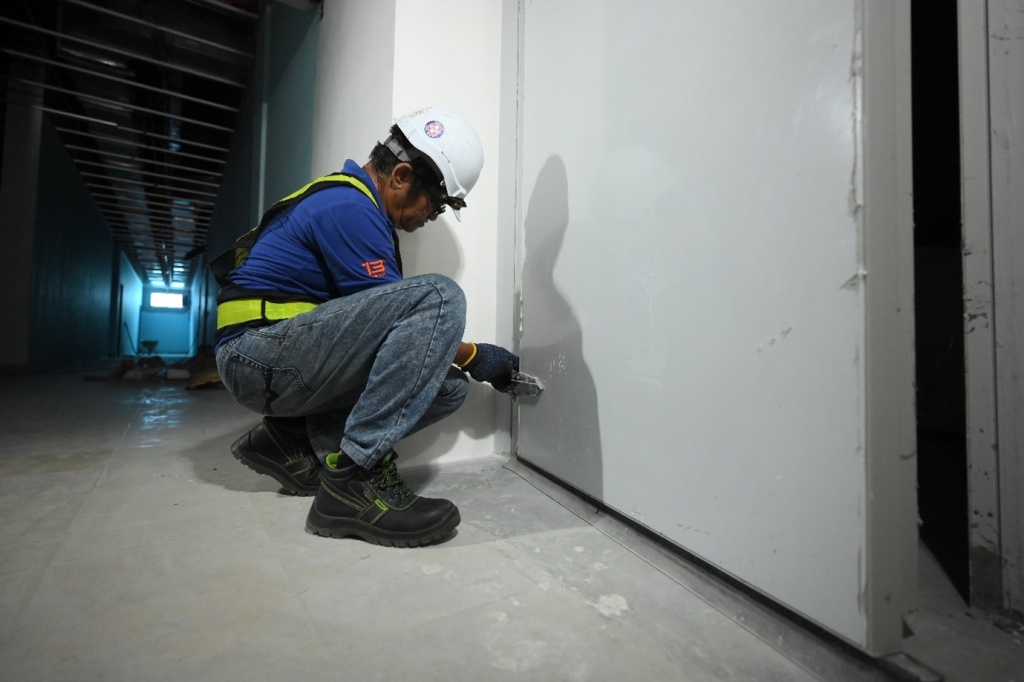
In conclusion, cold rooms are the unsung heroes of modern storage and preservation. Their technological sophistication ensures that products remain safe, effective, and of high quality, benefiting not only businesses but also consumers and, in the case of pharmaceuticals, even human lives. Cold rooms are a testament to the marriage of technology and necessity, silently upholding the standards of safety and quality we depend on daily.